Trip Highlights
-
Summit Mt. Baker (3,286m / 10,781 ft), one of the most glaciated volcanoes, Climb under the leadership of Kami Rita Sherpa, the world record holder for most Everest ascents.
-
Learn essential mountaineering skills: crampon use, rope systems, ice axe self-arrest, and.
-
Ideal 3 days training expedition—perfect for first-timers and those preparing for the Himalayas.
-
Choose between the Easton Glacier or Coleman-Deming route (based on seasonal conditions).
-
Pre-summit mountaineering training included personalized coaching and safety drills.
-
Experience spectacular views of the North Cascades, Puget Sound, Mt. Shuksan, and more.
Trip Facts:
-
Location: North Cascades, Washington, USA
-
Highest Point: Mt. Baker Summit (3,286m / 10,781 ft)
-
Duration: 5 Days
-
Group Size: 6–8 individuals per group
-
Trip Grade: Beginner to Moderate Alpine Climb
-
Meal Plan: All meals from Day 2
-
Major Activity: Basic Glacier Mountaineering & Alpine Skills Training
-
Culture & Ethnicity: Mountaineering heritage of the Pacific Northwest and American alpine tradition
Overview of the Mt. Baker Expedition
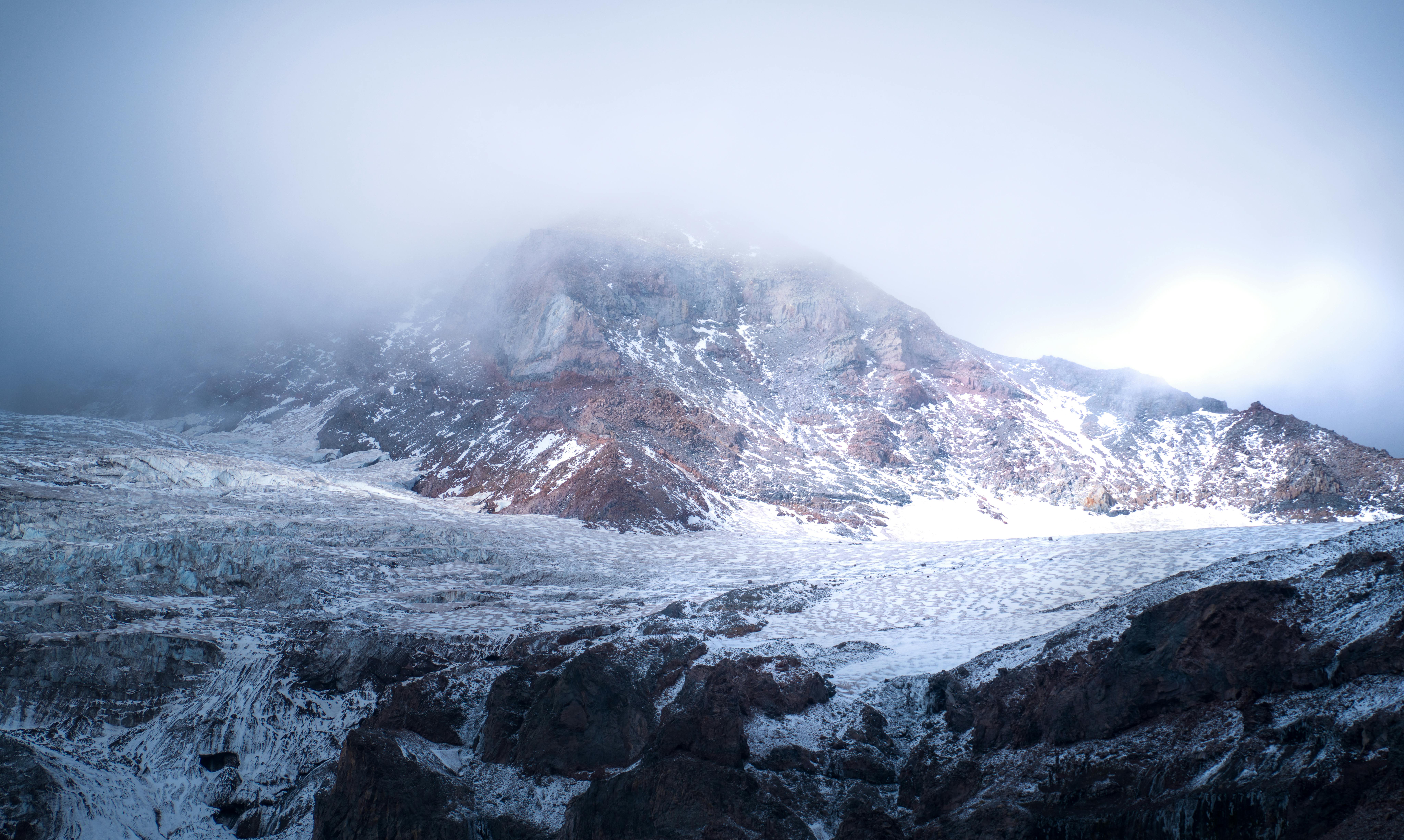
Located in the rugged North Cascades of Washington State, Mt. Baker offers one of the best introductions to glaciated mountaineering in North America. Known for its crevassed terrain, scenic ridgelines, and wide icefields, the mountain provides an ideal classroom for aspiring Himalayan climbers.
This 3-day program is led by Kami Rita Sherpa, a legendary Everest summiteer, alongside a team of certified alpine guides. It begins in Bellingham with a gear check and team orientation. From there, you’ll hike to base camp at around 6,000 ft, where you’ll dive into two full days of glacier skills training.
Climbers will summit via either the Easton Glacier or Coleman-Deming route, depending on snow and weather conditions. The summit offers panoramic views across the Cascade Range and into British Columbia, an unforgettable reward for your alpine effort. The expedition concludes with a hike out and a farewell lunch in Bellingham.
Best Season to Climb Mt. Baker
The ideal window for climbing Mt. Baker is late May to early July, when snowpack is firm and crevasses are well bridged.
-
Late Spring (May–June): Cooler, snow-covered conditions are ideal for cramponing and technical training.
-
Early Summer (June–July): Stable weather windows, clear skies, and firm glacier travel conditions.
-
Late Summer (August)
Training and Preparation
Physical Training:
-
Prepare by hiking with a 15–20 kg (30–40 lb) backpack.
-
Cardio-focused workouts (running, stairs, HIIT, and hill sprints).
-
Strength training targeting legs, core, and shoulders.
Technical Skills:
-
No prior experience required.
-
All key alpine skills are taught during the expedition: crampon use, glacier rope travel, ice axe handling, self-arrest, and crevasse rescue.
Mental Preparation:
-
Be ready for alpine starts (around 2 AM), cold temperatures, and variable mountain conditions.
-
Mental resilience is key to summit success and safety.
Gear & Equipment:
-
Required items include mountaineering boots, a helmet, a harness, crampons, an ice axe, down insulation, waterproof layers, and glacier sunglasses.