
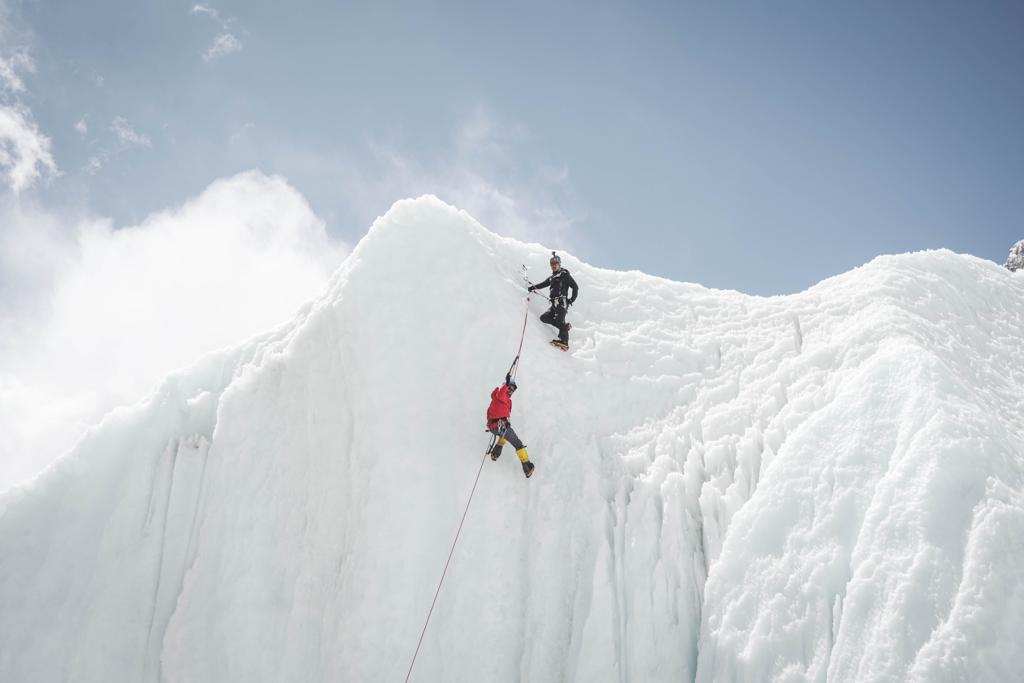
Island Peak, known locally as Imja Tse, holds a unique position in Himalayan mountaineering. Rising to 6,189 metres, it is often the first true climbing peak for trekkers who wish to move beyond walking trails and experience snow, ice, and technical terrain. While it is considered an introductory peak, Island Peak demands preparation, discipline, and respect.
Climbing Island Peak under the guidance of Kami Rita Sherpa transforms the experience into more than a summit attempt. It becomes a structured learning journey, grounded in safety, altitude awareness, and proper mountaineering practice.
The Journey Through the Khumbu Region
The approach to Island Peak follows the classic Khumbu trail, beginning with a flight to Lukla and a steady ascent through Sherpa villages and alpine valleys. Places like Namche Bazaar, Tengboche, and Dingboche are not merely resting points. They are essential stages where the body adjusts to altitude and the mind settles into the rhythm of the mountains.
This gradual ascent plays a critical role in the success of the climb. Kami Rita emphasizes acclimatisation as the foundation of safe mountaineering. Rest days are used intentionally, allowing climbers to adapt while gaining familiarity with the terrain and conditions they will later face higher on the mountain.
Beyond Dingboche, the landscape becomes increasingly stark. Vegetation thins, temperatures drop, and the presence of glaciers signals the transition from trekking to climbing. This shift prepares climbers mentally for the technical sections ahead.
Developing Mountaineering Skills on Island Peak
Island Peak serves as an ideal training ground for learning essential alpine techniques. Before summit day, climbers receive hands-on instruction in using crampons, ice axes, harnesses, and fixed ropes. These skills are practiced repeatedly to build confidence and efficiency.
The terrain on Island Peak includes glacier travel, snow slopes, and a steeper headwall near the summit ridge. While not extreme by Himalayan standards, these sections require focus and controlled movement. Under experienced guidance, climbers learn how to manage fear, conserve energy, and move deliberately.
Kami Rita’s approach to instruction is practical and calm. Techniques are taught with purpose, ensuring climbers understand not only how to move, but why each movement matters.
Summit Day Experience
Summit day begins well before sunrise. Climbers leave high camp in darkness, guided by headlamps and steady pacing. Breathing becomes measured as altitude makes its presence felt. Each step upward requires concentration.
As daylight spreads across the Himalaya, the surrounding peaks emerge in full clarity. From the summit ridge, climbers are rewarded with views of Mount Everest, Lhotse, Makalu, and Ama Dablam. Standing on the summit of Island Peak is often a defining moment. It marks the transition from trekking into genuine mountaineering.
The descent is approached with equal care. Fatigue increases risk, and careful footwork is essential. Safe return remains the primary objective.
Best Time for Island Peak Climbing
Choosing the right season significantly affects the climbing experience on Island Peak. Weather stability, visibility, and snow conditions vary throughout the year.
Spring Season (April to May)
Spring is widely regarded as the best time for Island Peak climbing. During this period, weather conditions are relatively stable, temperatures are manageable, and daylight hours are longer. Snow conditions are generally favorable for climbing, and summit success rates tend to be higher.
The spring season also offers clear mountain views and well-established climbing routes, making it ideal for first-time Himalayan climbers.
Autumn Season (September to November)
Autumn is the second most popular season for Island Peak. Following the monsoon, the skies are often clear, offering excellent visibility. Temperatures are cooler than in spring, especially at higher elevations, but conditions remain suitable for climbing.
Autumn climbs are typically quieter than spring, which appeals to climbers seeking a less crowded experience.
Winter and Monsoon Considerations
Winter months bring extreme cold, strong winds, and heavy snowfall, making Island Peak significantly more challenging. The monsoon season, from June to August, presents risks due to heavy rain, poor visibility, and unstable conditions. These periods are generally not recommended for standard Island Peak expeditions.
Physical Fitness and Preparation
Island Peak does not require advanced technical climbing experience, but it does demand good physical conditioning. Climbers should be comfortable with long trekking days and prepared for cold temperatures and altitude-related fatigue.
Prior trekking experience at altitude is highly beneficial. Mental preparation is equally important. Patience, adaptability, and the ability to follow guidance closely contribute greatly to a safe and successful climb.
Why Island Peak Is a Meaningful Climb?
Island Peak is more than an entry-level summit. It is a formative experience that teaches essential mountain skills and instills respect for high-altitude environments. Climbers descend stronger, more confident, and better prepared for future objectives.
For many, Island Peak becomes a stepping stone toward higher Himalayan peaks such as Mera Peak or even Mount Everest. For others, it stands alone as a deeply personal achievement rooted in perseverance, patience, and learning. In both cases, the lessons learned on Island Peak continue to influence how climbers approach mountains long after they return home.
Risks, Safety, and Responsible Climbing
Climbing Island Peak involves objective risks that should be understood clearly before attempting the summit. Crevasse crossings, altitude sickness, rapidly changing weather, and cold-related injuries are real concerns in the high Himalaya. These risks are manageable when approached with preparation, experienced leadership, and sound decision-making.
Kami Rita Sherpa’s approach prioritizes safety without diminishing the sense of adventure.